• About
    • About Us
    • Our Team
    • Board Members
    • Current Team Openings
    • Annual Report
    • Governance
    • Finances
    • Valley Views Newsletter
    • PVAS in the News
  • Calendar
    • All Events
    • Birding
    • Classes & Workshops
    • Guided Walks & Experiences
      • Bird Walks
      • Full Moon Walks
      • Nature Journaling
      • Wellness Walks
      • Additional Walks & Experiences
    • Talks & Presentations
    • Volunteer Opportunities
    • Youth Programs
      • Discovery Camp
      • Nature in the Neighborhood
      • StoryWalk®
      • Forest Storytime
      • Turtle Time
    • Special Events
  • Education
    • Adults
      • Classes & Workshops
      • Guided Walks & Experiences
      • Master Naturalists
      • Monthly Programs
    • Youth Programs
      • Discovery Camp
      • Forest Storytime
      • Turtle Time
    • Schools & Educators
      • School Programs
      • StoryWalks®
      • WV OLNI
      • Library Backpacks
      • Activities
  • Conservation
    • Initiatives
      • Chimney Swift Conservation
      • The Monarch Alliance
      • Weed Warriors
      • Plant This, Not That
    • Habitat Stewardship
      • Grassland Birds Initiative
      • Protected Pollinator Patch
      • Wildlife Habitat
    • Advocacy
      • PVAS and Advocacy
      • State & Federal Contacts
    • Nature Preserves
      • Cool Spring Preserve
      • Yankauer Nature Preserve
      • Eidolon Nature Preserve
      • Stauffer’s Marsh Nature Preserve
  • Birding
    • Bird Walks & Classes
    • Birding 101
    • Birdathon
    • Birding Community Science
    • Birding Resources
    • Birding Trails
  • Affiliate Programs
    • National Audubon Society
    • Master Naturalists
    • The Monarch Alliance
  • Support
    • Donate
    • PVAS Membership
    • Fundraisers
    • Ways to Give
    • National Audubon Membership
    • Volunteer
    • Share Your Photos
  • Other
    • Current Team Openings
    • Wildlife Hotline
    • Race for the Birds
  • Become a Member
  • e-Newsletter
  • Donate Now!
Potomac Valley Audubon SocietyPotomac Valley Audubon Society
  • Become a Member
  • Wildlife Hotline
  • e-Newsletter
  • Donate Now!
  • About
    • About Us
    • Our Team
    • Board Members
    • Current Team Openings
    • Annual Report
    • Governance
    • Finances
    • Valley Views Newsletter
    • PVAS In The News
  • Calendar
    • All Events
    • Birding
    • Classes & Workshops
    • Guided Walks & Experiences
      • Bird Walks
      • Full Moon Walks
      • Nature Journaling
      • Wellness Walks
      • Additional Walks & Experiences
    • Talks & Presentations
    • Volunteer Opportunities
    • Youth Programs
      • Discovery Camp
      • Nature in the Neighborhood
      • Forest Storytime
      • Turtle Time
      • StoryWalk®
    • Special Events
  • Education
    • Adults
      • Bird Walks
      • Monthly Programs
      • Master Naturalists
      • Workshops
    • Youth Programs
      • Discovery Camp
      • Forest Storytime
      • Turtle Time
      • Activities At Home
    • All Ages
      • Community Science
      • Animal Ambassadors
    • Schools & Educators
      • School Programs
      • Opportunities for Homeschoolers
      • WV OLNI
      • Educator Resources
      • StoryWalks®
      • Library Backpacks
  • Conservation
    • Initiatives
      • Chimney Swift Conservation
      • The Monarch Alliance
      • Weed Warriors
      • Plant This, Not That
    • Habitat Stewardship
      • Grassland Birds Initiative
      • Protected Pollinator Patch
      • Wildlife Habitat
    • Advocacy
      • PVAS and Advocacy
      • State + Federal Contacts
    • Nature Preserves
      • Cool Spring Preserve
      • Yankauer Nature Preserve
      • Eidolon Nature Preserve
      • Stauffer’s Marsh Nature Preserve
  • Birding
    • Bird Walks
    • Birding 101
    • Birdathon
    • Birding Community Science
    • Birding Resources
    • Birding Trails
  • Affiliate Programs
    • National Audubon Society
    • Master Naturalists
    • The Monarch Alliance
  • Support
    • Donate
    • PVAS Membership
    • Fundraisers
    • Ways to Give
    • National Audubon Membership
    • Volunteer
    • Share Your Photos

News

Home News12 Shades Greener: Potty Talk
12 Shades Greener: Potty Talk

12 Shades Greener: Potty Talk

1:31 pm News

by K.C. Walters, Conservation and Land Manager 

New Year’s resolutions are so hard! Spring sprang, time slipped away from me, and I nearly ditched my greening blog. But fear not, I have not given up my primary objective of making small changes and taking steps toward being a few shades greener.

These last two months I have given a lot of thought to my bathroom routines. Perhaps this is because I do some of my best thinking in the shower or on the throne.

Anyway, I’m already a super careful eater (tummy problems), so I always read the ingredients on food packaging. Essentially, if I can’t identify and pronounce an ingredient, I don’t eat it. But I realized I had never paid attention to the products in my bathroom, so, the first thing I did was to start reading labels and I realized I couldn’t pronounce MOST of the ingredients in my shampoo, conditioner, shaving cream, body wash, and deodorant.

While I definitely won’t be eating my shampoo, this was still concerning. Skin is porous, so what is applied to the skin can enter the body. A five-minute Google search revealed some of the ingredients in my shampoo were potential allergens, carcinogens and neurotoxins. Was I really applying a neurotoxin to my scalp every day? Talk about terrifying!

But this story isn’t all about me. What about all the tiny critters I am exposing to toxins when I rinse my hair and that shampoo goes down the drain to the “magical land of away”?  Their bodies are much more susceptible to the toxins than mine. The day I researched my shampoo ingredients was the same day I threw my shampoo away. The conditioner and body wash soon followed. The deodorant I clung to until I could get a replacement, and I deemed my bar soap acceptable. I used the bar soap to replace the shaving cream as well.

I cannot yet make recommendations for replacement products that are “greener,” yet still equally effective. However, I have found a plethora of information on the web about cosmetic toxins and sites that recommend alternative products that are safer for you and the environment. I encourage everyone to look into your own products and make a decision that is best for you.

I have tried out a few new projects so far and have not yet been impressed. Some days my hair misses its neurotoxins, but I know I’m on the right track for me and my friends on the other end of the shower drain now.

The next bathroom item I examined was toilet paper. The average person uses about 8 sheets of toilet paper every time they use the toilet and visits the toilet an average of 7 times per day. This adds up to 56 sheets per day, which accumulates to 20,440 sheets or 100 rolls per year. An average sized tree can yield 800 rolls of toilet paper. So if you live for 80 years, you’ve essentially wiped your behind with 10 whole trees throughout your lifetime.

I’m not giving up toilet paper anytime soon. However, I am choosing one-ply paper over two-ply for the sake of trees and my septic system and looking into switching to treeless toilet paper. In the meantime, I have limited myself to 4 sheets of paper on an average bathroom visit (and that’s all I’m going to say on that topic).

Finally, I did some deep thinking on using water in the bathroom. Freshwater is arguably our most precious resource. We need to consume it to live. Yet, in our luxurious culture, we deposit our waste in water filled basins! Convenient? Yes. Logical? Not really.  

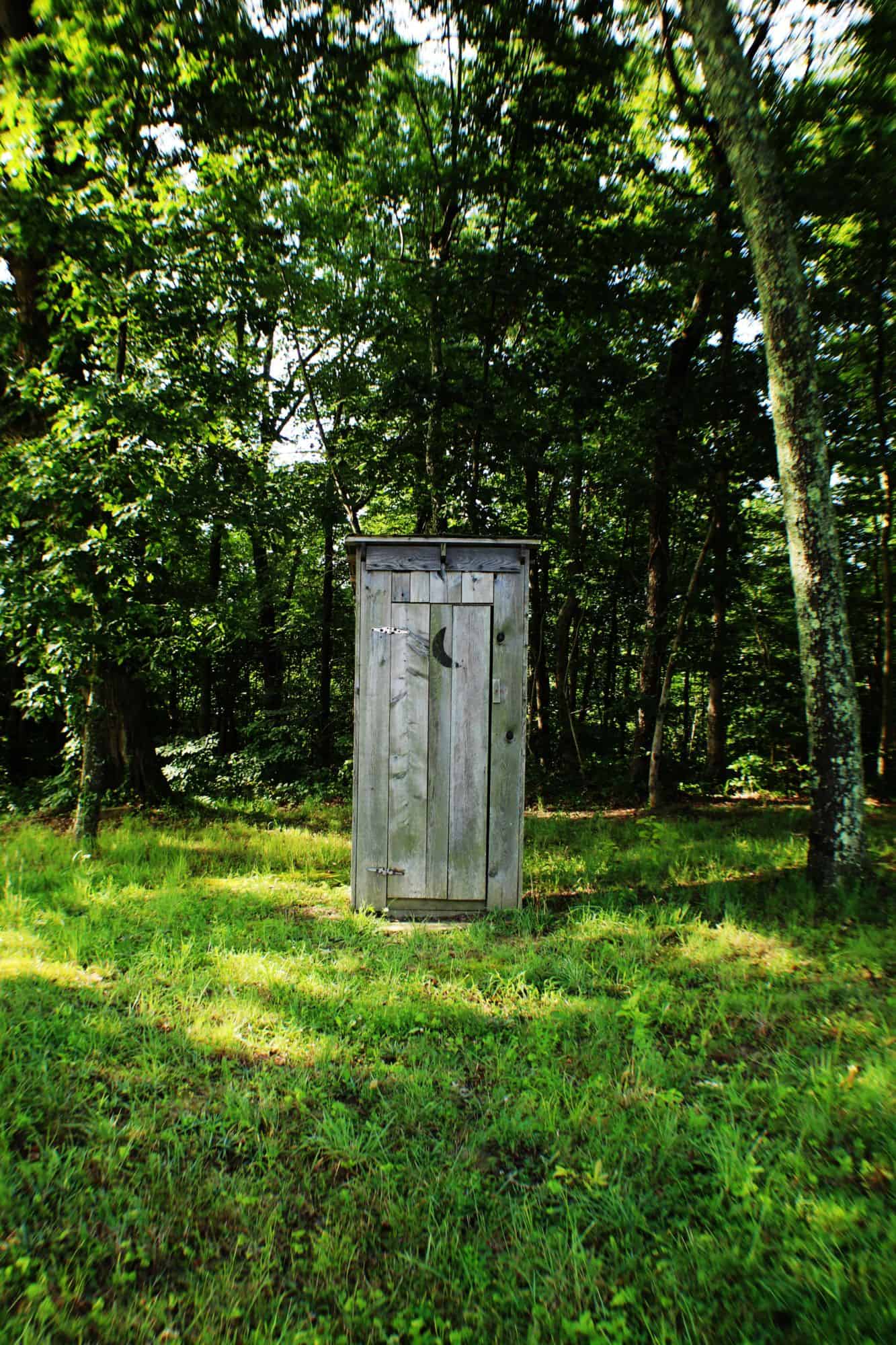
As a land manager I’m no stranger to using the “facilitrees”. I do not currently have the means to replace my home toilets with low water use toilets or construct a composting toilet. However, much to my mother’s dismay, I have been making an effort to use the nature bathroom more frequently.  

Now I understand this choice is not one everyone can make, but there are several other ways to cut your water usage in the bathroom. For example, I simply can’t find a reason to run water while brushing your teeth. I have started leaving a small cup next to my sink. When I brush my teeth, I fill the cup, dip my brush in to wet it, brush my teeth and then use the same water to rinse my brush off before dumping the cup. Simple, yes, but it reduced my water usage from approximately one quart to one cup each time I brushed.

I’ve always been quick in the shower, but since I have tried to reduce my water use, it has kind of become a game to see how fast I can get in and out. My biggest time reduction came from not shaving while standing in the shower. Again, I realized shaving only takes a single cup of water.  By not shaving in the shower, I am saving gallons of water each week. FYI, I am careful to use a different cup for shaving than the one for brushing my teeth.

In conclusion, I’ve given more thought to my time in the bathroom this past month than I have since I was potty trained. It’s hard to break habits. We do the same bathroom routines day in and day out without thought. Plus, nobody wants to give up their creature comforts. I think the key to becoming “greener” in the bathroom without sacrifice is reduction: reduce the use of toxic products, reduce toilet paper consumption, and reduce water use.  

You also might be interested in

Master Naturalists Begin Classes

Mar 15, 2023

On March 11th , the new cohort of the Potomac[...]

Land Donation Expands Cool Spring Preserve

Land Donation Expands Cool Spring Preserve

May 12, 2020

Cool Spring Preserve is now 50 acres larger! We are[...]

Meet Our Camp Staff

Meet Our Camp Staff

Jun 3, 2019

Front row, left to right: Matt Wuertzer, Jenna Lynch, Amy[...]

Recent Posts

  • Where are the Birds?
  • KC Walters Accepts Award at The National Audubon Society Conference
  • Tax Benefits of Donations
  • 2024 Over the Mountain Studio Tour
  • Thank You AmeriCorps Service Members!

Categories

  • Master Naturalist
  • Monarch Alliance
  • News

Get In Touch

Potomac Valley Audubon Society
P.O. Box 578
Shepherdstown, WV 25443
(681) 252-1387
Info@PotomacAudubon.org

Connect with Us | Join Us | Support Us | EIN #: 55-0626891 

© 2026 · Potomac Valley Audubon—Website powered by The Downstream Project

Prev Next